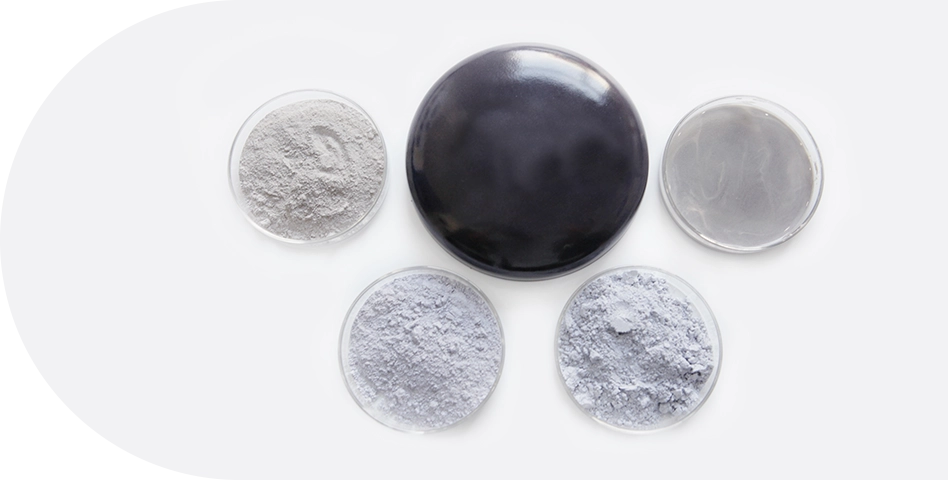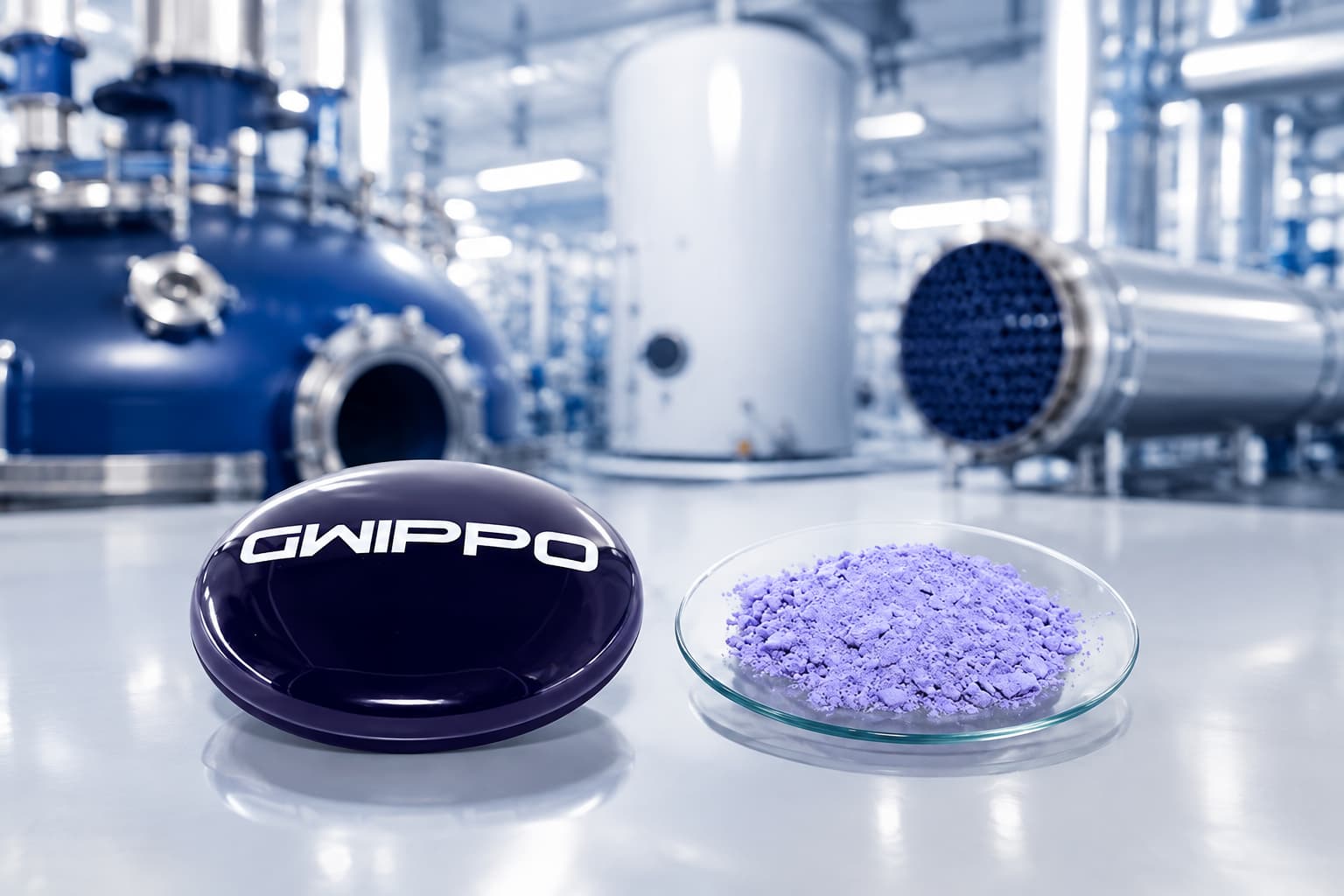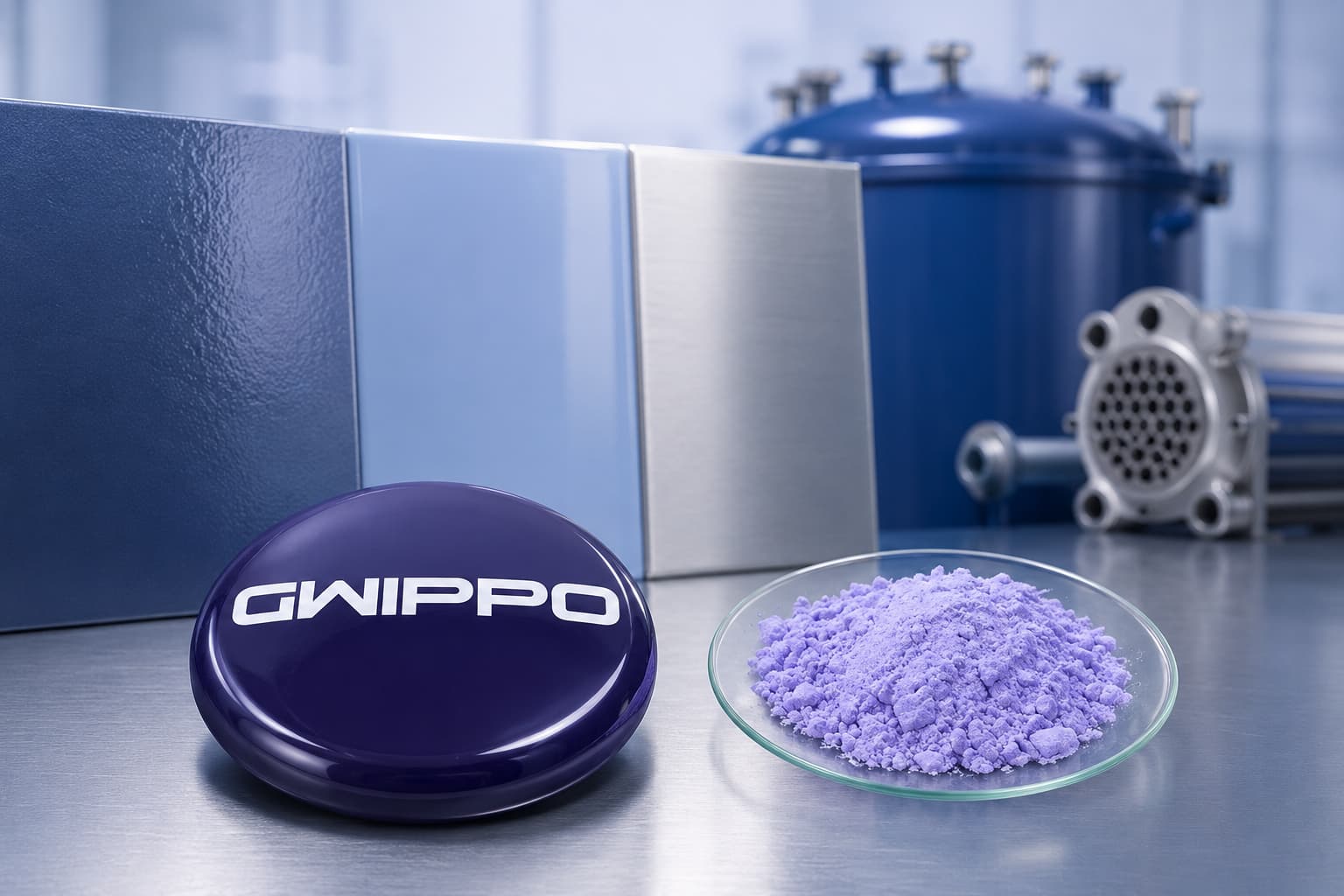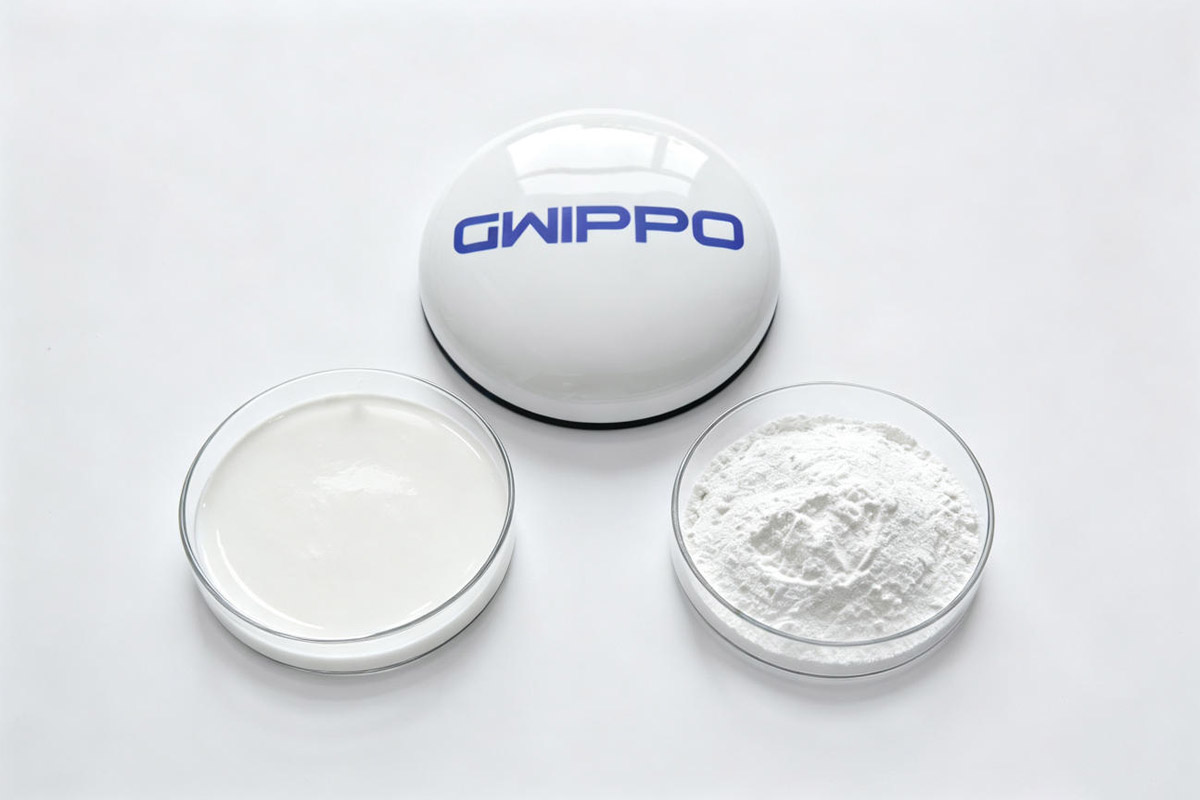
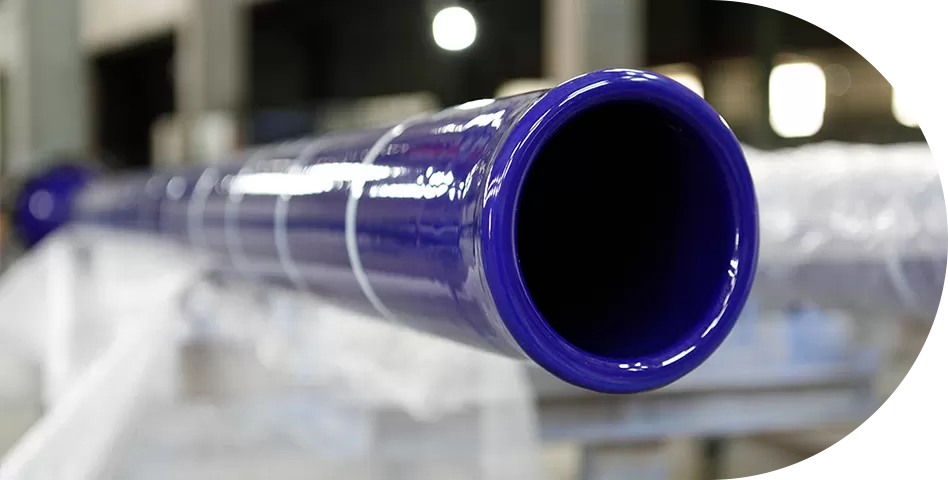
The Glass-Lined Ground Coat is the transitional and bonding layer between the
metallic substrate (such as low-carbon steel, cast iron, stainless steel) and the cover
coat. It is the key connection between metal and enamel. During production,
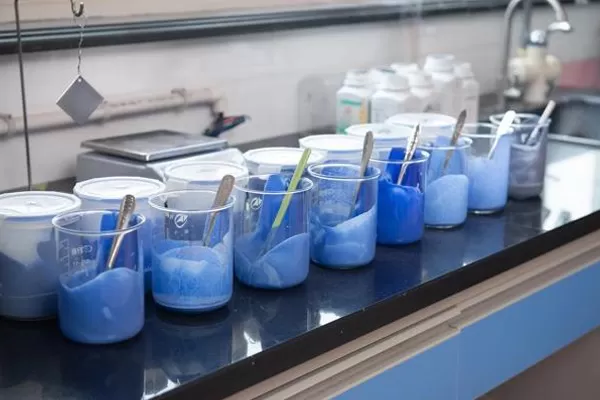
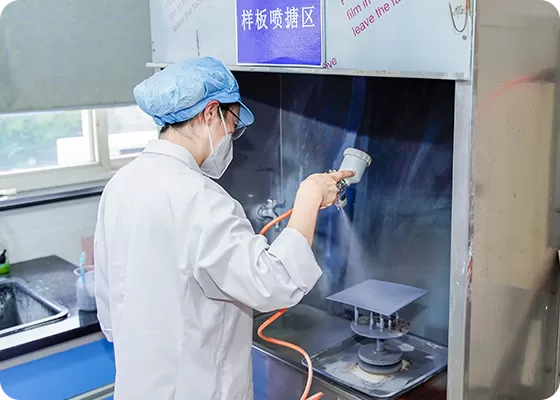
we spray the Glass-Lined Ground Coat slurry onto the metallic substrate.
After high-temperature firing, it ensures the entire glass-lined coating firmly bonds
with the metallic substrate. GWIPPO Glass-Lined Ground Coat has excellent
adhesion, and its thermal expansion coefficient matches the substrate.
The metal blank requires sandblasting treatment. After deburring and
removing surface defects, the Glass-Lined Ground Coat slurry is sprayed.
Temperature-controlled electric furnaces are used to avoid “under-firing”
or “over-firing", which may cause adhesion failure or enamel layer damage.
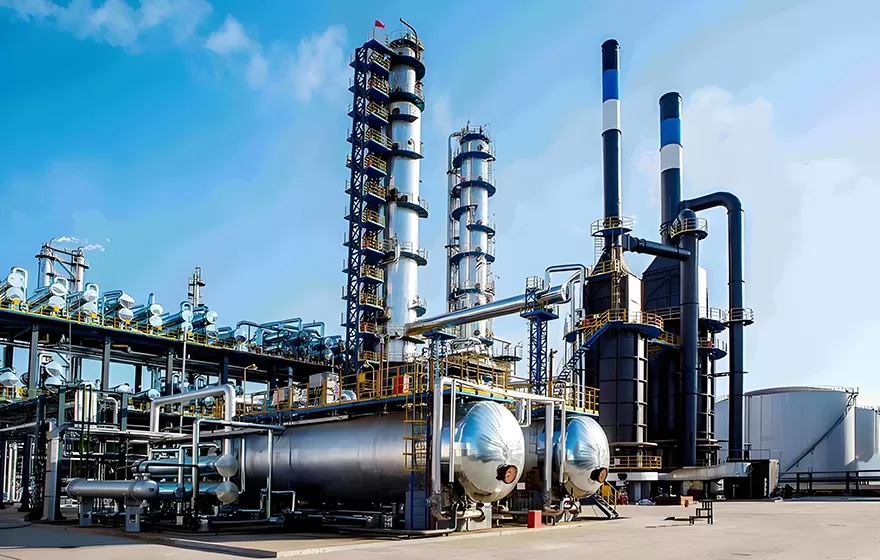
Base layer for corrosion-resistant equipment such as industrial reactors
and chemical pipelines.
The Glass-Lined Cover Coat provides decorative properties, corrosion
resistance, and functional protection. It directly contacts environmental
media (such as acids, alkalis), imparting color, gloss, and chemical stability
to equipment. The Glass-Lined Cover Coat slurry is sprayed onto the
Glass-Lined Ground Coat layer. After high-temperature firing, it forms
a dense, smooth, and chemically stable vitreous surface layer. This is the
Glass-Lined Cover Coat layer.
High corrosion-resistance scenarios such as internal walls of chemical
reactors, medical devices, and food industry containers.
Synergistic Mechanism: The ground coat ensures adhesion strength,
while the cover coat provides terminal protection. Their combination gives
glass-lined equipment both metallic mechanical strength and chemical
resistance.
The Glass-Lined Ground Coat is the "bonding layer", with its core in adhesion
and metal protection. The cover coat is the "functional layer", focusing
on corrosion resistance, aesthetics, and terminal performance. Both form an
integrated lining layer through high-temperature enameling
(such as temperature-controlled electric furnace processes) and are widely used
in chemical and pharmaceutical equipment.
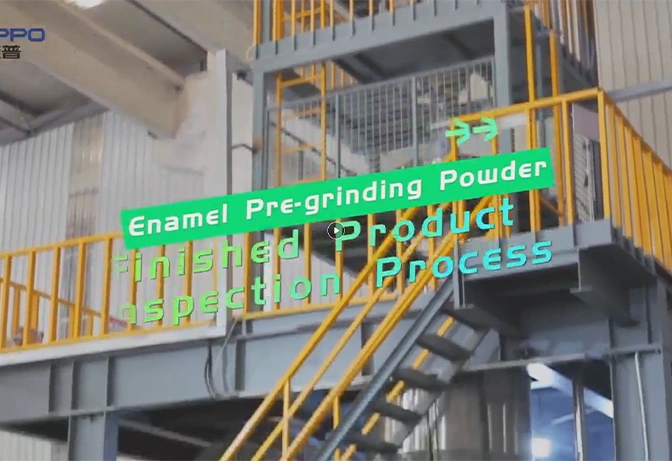
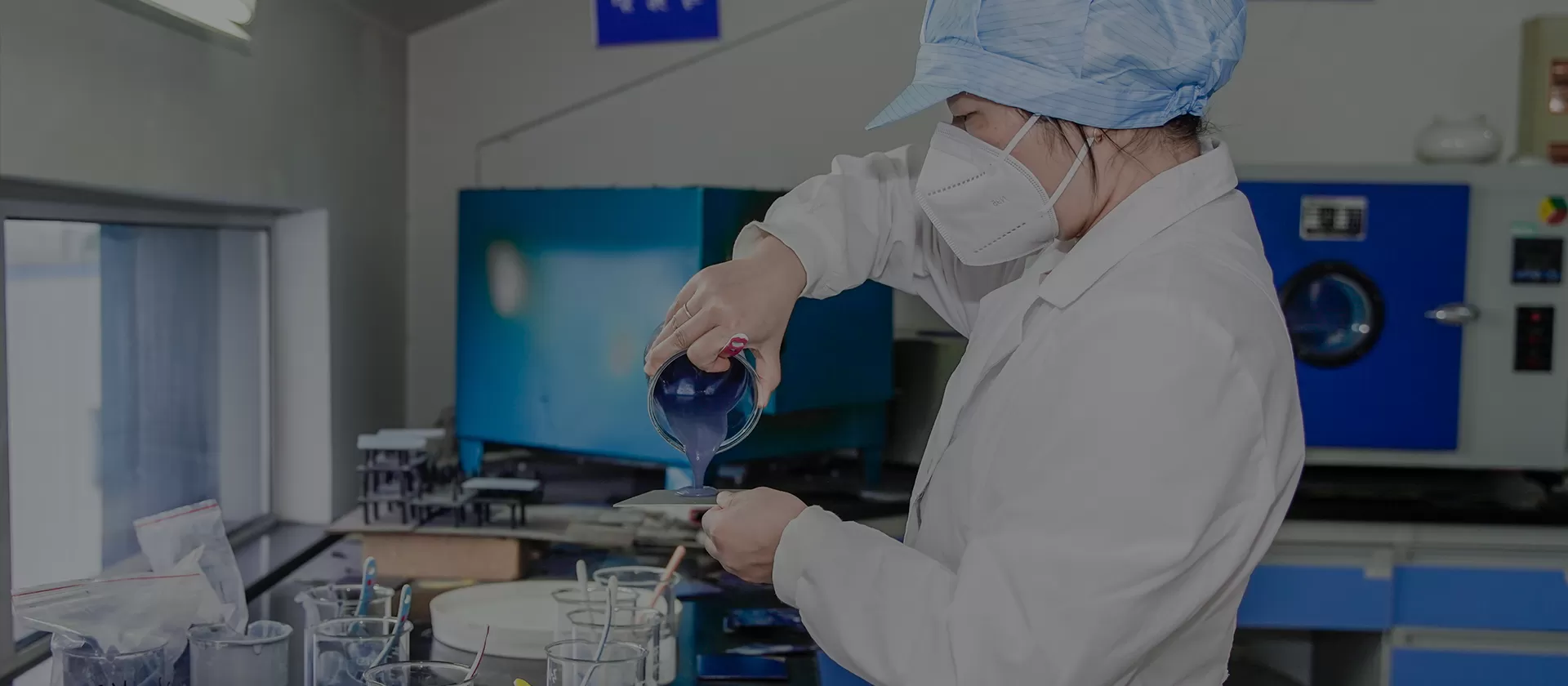
GWIPPO has built a production base of 18,000m², and is equipped with an automate production line integrating R&D, design, and manufacturing.
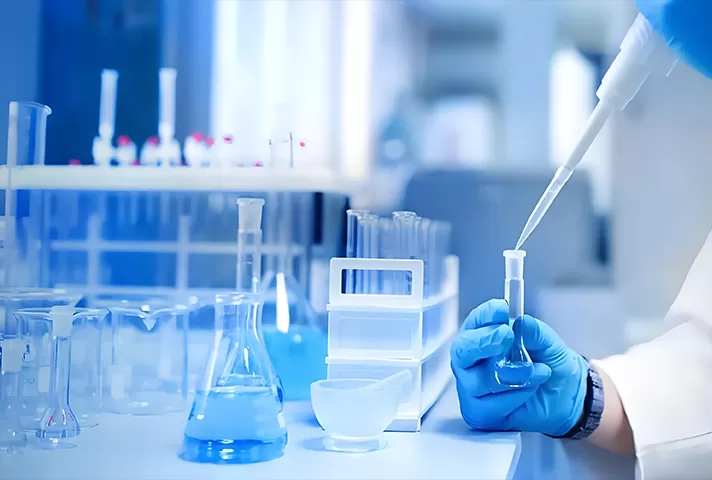
We have stable workers with rick experience in production. Centering on prevention, we can timely identify and solve quality issues, thus lowering their frequency and preventing defective products from leaving factory.
By standardizing the qualiEty control system, raw materials, semi-finished products, and finished products are all tested, ensuring rigorous control。