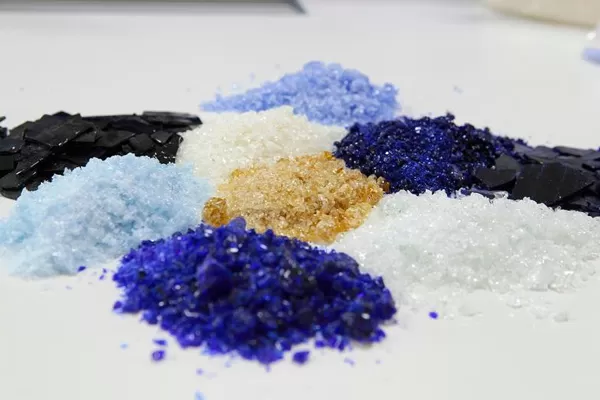
Molten glass, glazes, and enamels are three common materials used in ceramics, glass art, and industrial applications that have unique properties and uses. Although the three may seem similar, they have significant differences in their manufacturing processes, chemical composition, and applications.
Molten Glass
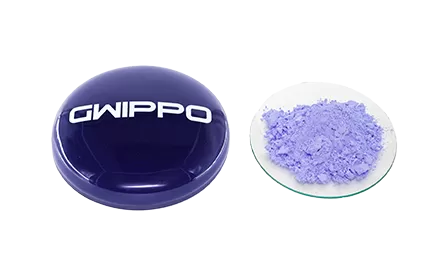
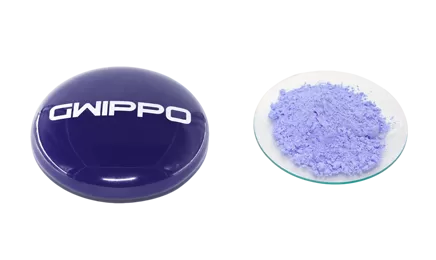
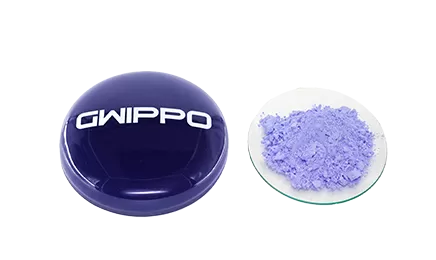
Molten glass is glass that has been heated to a high enough temperature that it becomes liquid. This liquid glass, which is usually between 1300 and 1600 degrees Celsius, is fluid and can be molded into a variety of shapes. Molten glass is widely used in glass manufacturing, such as bottles, windows, and lamps. In addition, molten glass is also an important material in artistic creations, such as glass sculptures and glassware. The main characteristics of molten glass are its hardness and transparency, and the glass formed after cooling is extremely durable.
Glazes
Glaze is a coating applied to the surface of ceramics or clay, usually composed of minerals, clay, and water, which melts during the firing process to form a smooth surface. Glazes not only provide a beautiful appearance, but also increase the strength and water resistance of ceramics. Glazes are commonly used to decorate the surface of porcelain, pottery and tiles, providing gloss, color and pattern. Glazes are generally fired at a lower temperature than molten glass, about 1000 to 1300 degrees Celsius. Different glaze compositions can produce different effects, such as matte, gloss, metallic or crackle effects.
Enamels
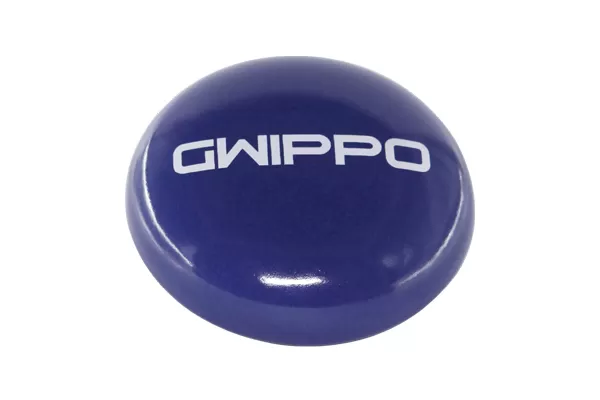
Enamel is a glass-like coating applied to the surface of metal, which is fired at high temperatures to form a smooth and hard coating. The composition of enamel is similar to molten glass, but its coating is thinner and is often used to decorate metal objects, jewelry, clocks, etc. Enamel coatings can present a variety of colors and textures, which are both beautiful and can protect metals from oxidation or corrosion. The firing temperature of enamel is usually between 750 and 900 degrees Celsius, which is lower than the high temperature of molten glass.
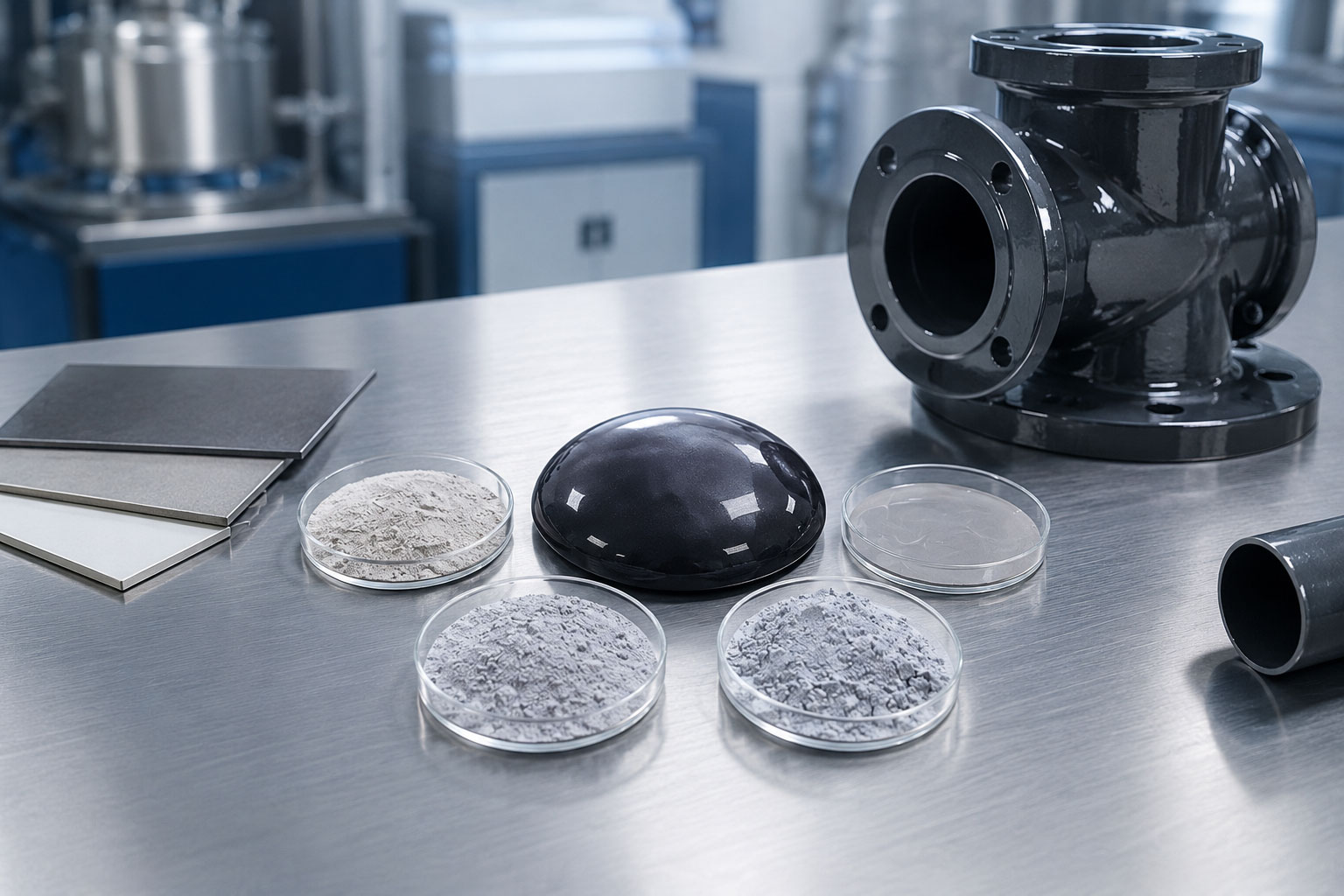
In short, molten glass, glazes and enamels each have different properties and uses. Molten glass emphasizes transparency and durability and is widely used in glass products and artistic creations; glaze focuses on the decoration and protection of ceramic surfaces and provides a variety of visual effects; while enamel is a high-temperature coating mainly used for metal surface decoration and protection. Understanding these differences can help us better choose materials to meet different production needs and artistic creations.

 CN
CN