E-mail Us
Wet Dipping Enamel Glaze for Water Heater Tanks | Anti-Corrosion Coating

Wet Dipping Enamel Series

MODEL NO.Product TypeAdvantagesEnameling ProcessRecommended Firing Temperature
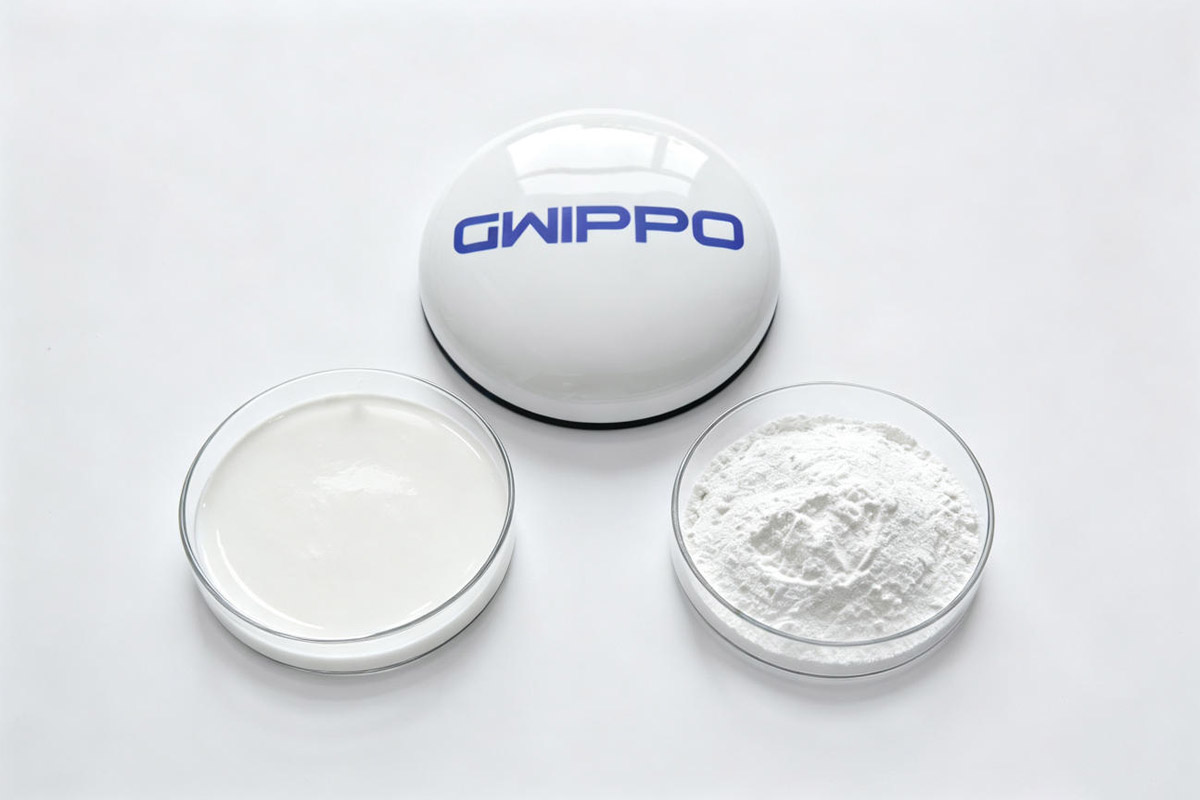
LJ-01Enamel PowderWater heater inner liner suitable for sandblasting and pickling processes, with weight loss upon boiling water erosion ≤ 6 g/m²Wet Dipping Enameling850~860℃
L-01(A57)Enamel PowderExcellent adhesion; good flowability; water heater inner liner suitable for sandblasting processWet Dipping Enameling830~860℃
L-01(H1)Enamel PowderGood flowability; water heater inner liner suitable for sandblasting processWet Dipping Enameling850~860℃
L-01(104)Enamel PowderExcellent adhesion; good flowability; relatively wide firing range; water heater inner liner suitable for sandblasting and pickling processesWet Dipping Enameling830~850℃
L-01(PG)Enamel PowderExcellent adhesion; good flowability and retentivity; suitable for coiled tubes and water heater inner linersWet Dipping Enameling830~850℃
L-01(A18)Enamel PowderExcellent adhesion; good firing resistance; water heater inner liner suitable for sandblasting processWet Dipping Enameling870~880℃


FAQ About Water Dipping Enamel

What parameters should be controlled when preparing glaze slurry?

Key parameters include adsorption capacity, bulk density, water addition, and slurry flow (slump value).


What causes “Water Lines” defects?

This occurs when the workpiece is not dried promptly after enamelling, leading to uneven water precipitation patterns.

What causes “Water Washout” defects?

Excessive internal moisture during drying can cause vertical streaks or sagging. This is often due to high humidity or insufficient ventilation in the drying system.

What causes “Burnt Edges”?

Typically caused by misalignment during assembly or welding of the workpiece.

News & Inspirations
GWIPPO
Vitreous Enamel Coating Process: Step-by-Step Guide for Industrial Metal Coating
2026. 08 14
Vitreous Enamel Coating Process: Step-by-Step Guide for Industrial Metal Coating
The vitreous enamel coating process is a controlled sequence of preparing the metal substrate, applying enamel frit and firing it at high temperature until the enamel melts and fuses to the metal. Unl...
Powder Coating vs Enamel Paint vs Porcelain Enamel: Which Is Better for Industrial Metal Protection?
2026. 08 14
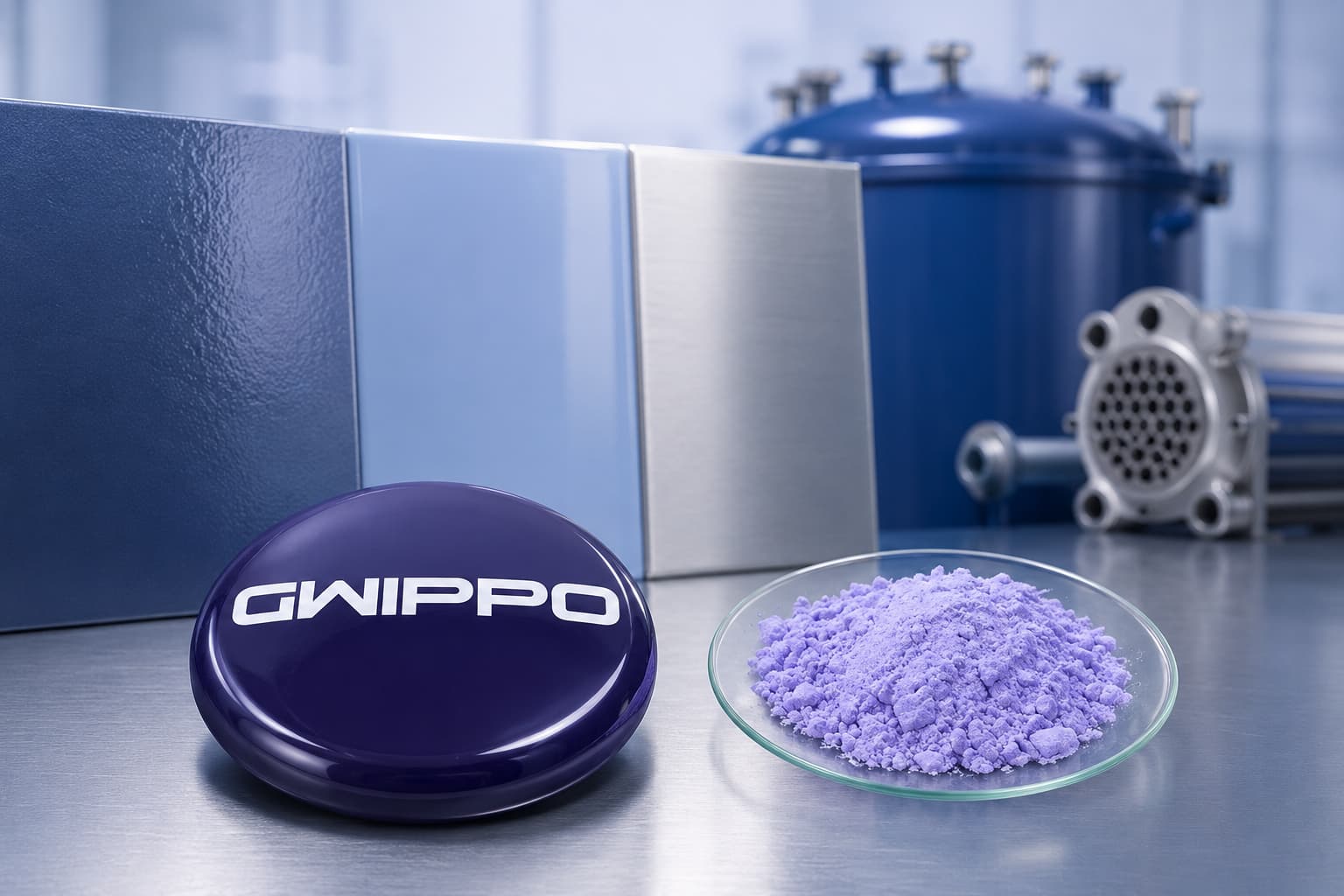
Powder Coating vs Enamel Paint vs Porcelain Enamel: Which Is Better for Industrial Metal Protection?
Powder coating and enamel paint are commonly compared when manufacturers choose a protective finish for metal parts, appliances, hardware and industrial equipment. However, industrial porcelain enamel...
Introducing GP-5B: High Alkali-Resistant White Enamel: Specially Developed for Pharmaceutical, Food & Fine Chemical Equipment
2026. 07 31
Introducing GP-5B: High Alkali-Resistant White Enamel: Specially Developed for Pharmaceutical, Food & Fine Chemical Equipment
As the pharmaceutical, food, and high-purity fine chemical industries continue to demand higher standards of equipment cleanliness and media compatibility...
No.8 Yishan Road, Yumen Industrial Park, Shengang, Jiangyin City, Jiangsu Province
ky@gwippo.com +86-18961661782
We use cookies on this site, including third-party cookies, to deliver the best experience for you.
Accept Cookies
Read Privacy Policy