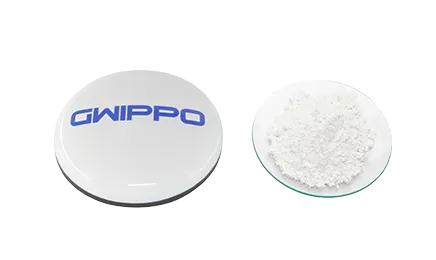
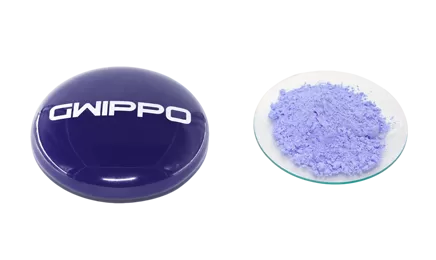
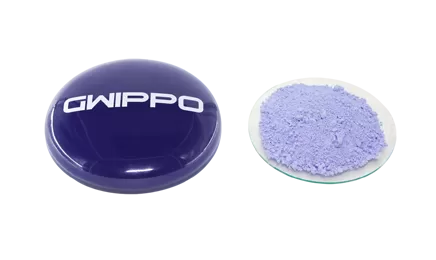
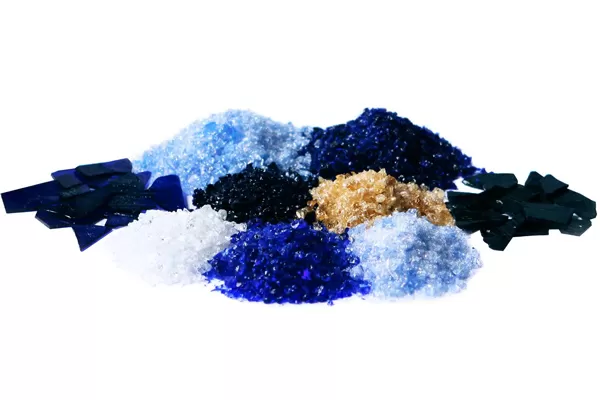
Vitreous enamel, often simply called enamel, is a decorative and protective glass-based coating applied to the surface of metals such as steel, cast iron, or copper. This material, once fired at high temperatures, fuses to the metal substrate, forming a durable, glass-like layer that enhances both the functionality and appearance of the product.
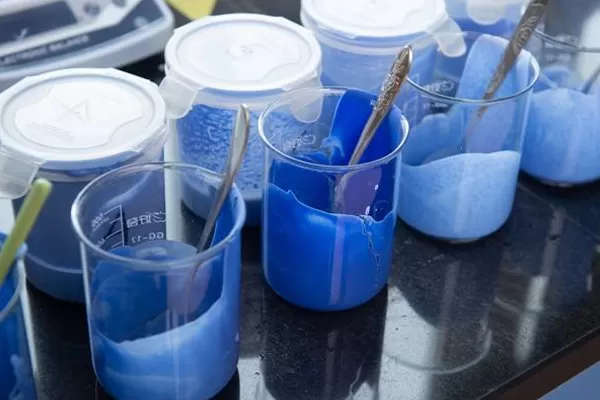
The enameling process involves applying a finely ground mixture of minerals and oxides, known as enamel frit, to a prepared metal surface. When fired in a kiln, this mixture melts and chemically bonds to the metal, creating a smooth, hard finish that can be glossy, matte, or textured. The resulting coating not only adds visual depth and color but also provides an exceptional barrier against corrosion, abrasion, and high temperatures.
Enamel is widely used in a variety of applications, from classic kitchenware like pots and pans to architectural cladding, signage, and jewelry. It allows for the creation of vibrant, permanent colors and distinctive effects that are highly resistant to fading and wear. Unlike porous materials, the impervious nature of the glass coating itself makes it inherently hygienic and easy to clean.
Modern advancements have expanded the range of enamel finishes, including options with textured, satin, or metallic appearances. Environmental and health regulations have also driven the development of lead-free and cadmium-free frits, making modern enamel products safe for culinary and daily use.
In summary, vitreous enamel is a versatile material that masterfully combines utility with aesthetics. By offering unparalleled durability, vivid visual effects, and a robust protective barrier, enamel plays a crucial role in transforming ordinary metal into long-lasting, functional art.

 CN
CN