E-mail Us
Stainless Steel Enamel for Heating Elements

Specs of Enamel Paint for Stainless Steel

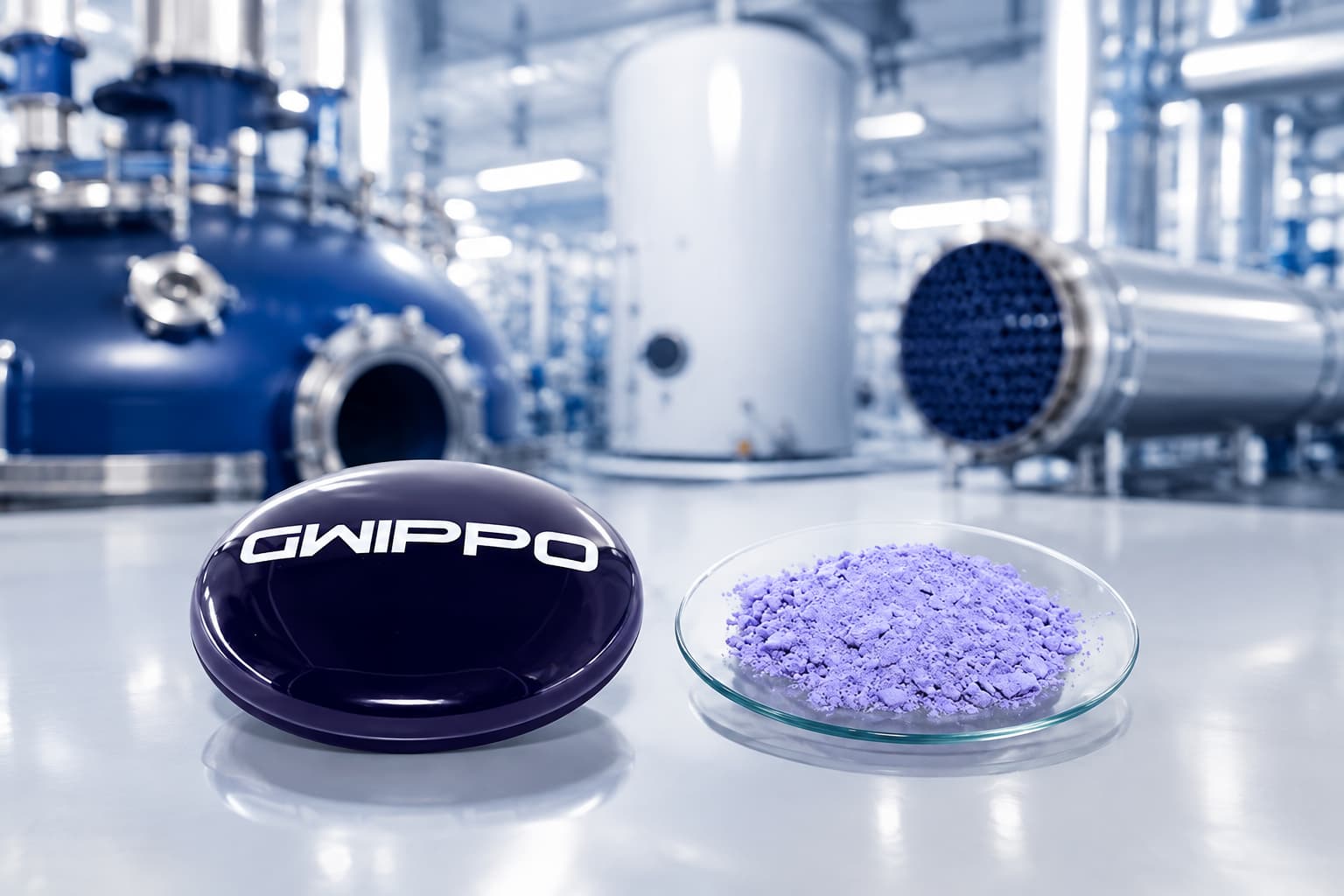
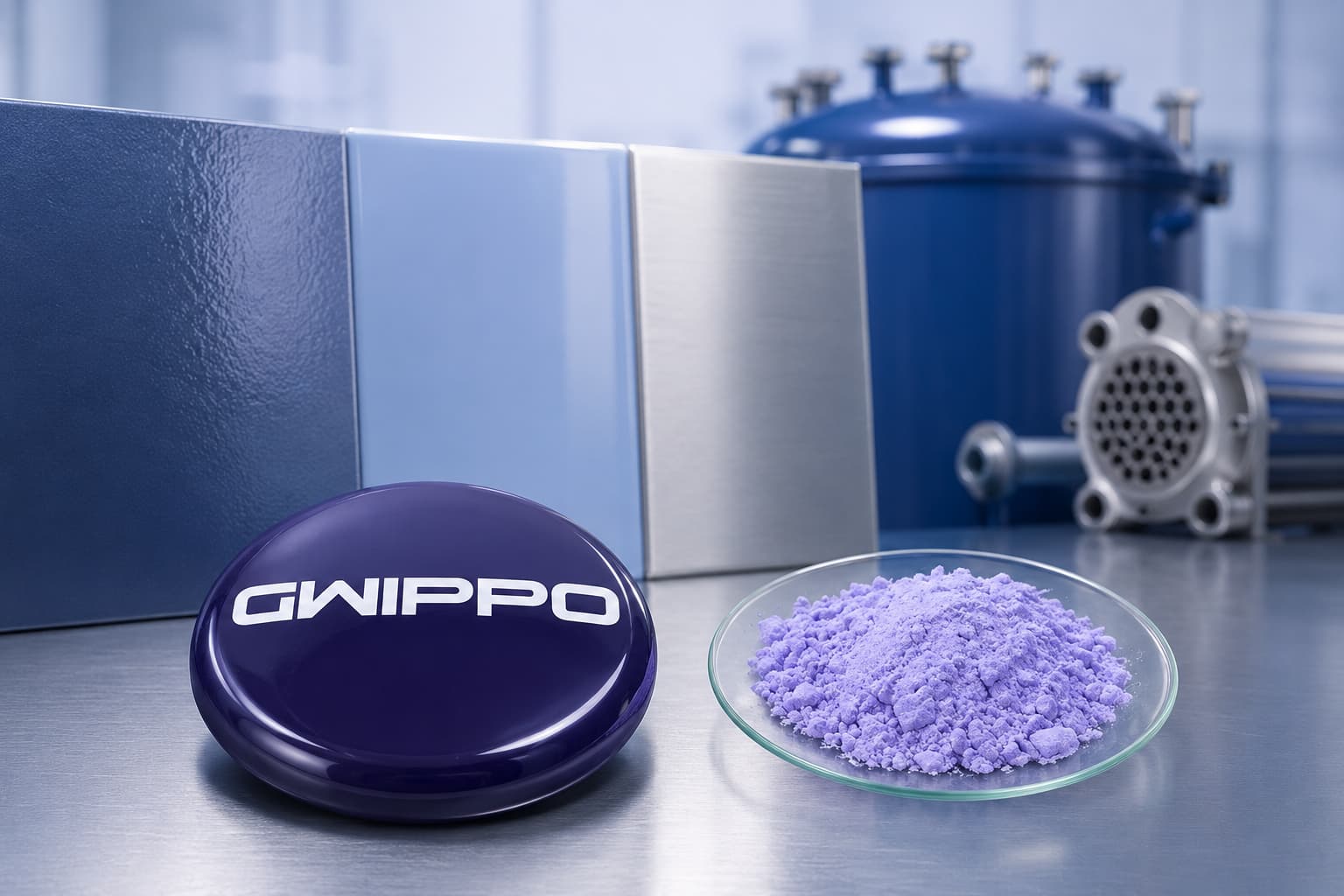
Choose from our two standard stainless steel enamel powders. Both are suitable for wet dipping and wet spraying processes on heating pipe surfaces.


MODEL NO.Product TypeAdvantagesEnameling ProcessFiring Temperature
L03-A697Enamel PowderCobalt Blue; excellent adhesion; fine and smooth enamel surface with excellent glossiness; excellent flowability and retentivityWet Dipping Enameling   Wet Spraying Enameling850~860℃
L03-A57Enamel PowderCobalt Blue; excellent flowability and retentivityWet Dipping Enameling   Wet Spraying Enameling850~860℃


Key Benefits of Stainless Steel Enamel for Heat Elements


Excellent Corrosion Resistance

The enamel coating forms a protective barrier on the heating element surface, helping resist water corrosion, mineral attack, and chemical exposure. This protection significantly improves the durability of heating components operating in challenging conditions.


Reduced Scale and Mineral Buildup

Enamel-coated surfaces are smoother and less susceptible to limescale accumulation compared with untreated metal surfaces. Reduced scale formation helps maintain heating efficiency and lowers maintenance requirements over time.


Strong Adhesion to Stainless Steel

Formulated specifically for stainless steel substrates, the enamel frit provides excellent bonding performance and coating stability during repeated heating and cooling cycles.


Extended Service Life

By protecting the heating element from corrosion and surface degradation, enamel coatings contribute to longer operational life and improved equipment reliability.


Enhanced Thermal Stability

The enamel coating maintains excellent performance under continuous temperature fluctuations, making it suitable for both residential and industrial heating applications.


FAQs About Stainless Steel Enamel

What causes “Burnt Pitting” on stainless steel enamel for heat elements?

Burnt pitting is mainly caused by insufficient sandblasting (leaving contaminants on the steel surface) or low firing temperature (below 840°C), which prevents complete vitrification. Proper surface preparation and maintaining 850-860°C firing eliminates this defect.


What are the advantages of stainless steel enamel for heating pipes?

The key advantages are excellent adhesion to stainless steel substrate and a high thermal expansion coefficient (≈12-14×10⁻⁶/K), which matches the steel’s expansion. This prevents cracking or spalling during repeated heating/cooling cycles in electric heating pipe applications.


What causes “Firing Shrinkage”?

Localised shrinkage or island-like patterns may result from incomplete surface preparation or excessive local enamel thickness.


What causes “Underfiring”?

Caused by insufficient firing temperature or inadequate holding time, leading to dull surfaces, bubbles, and poor adhesion.


What is stainless steel enamel for heat elements?

Stainless steel enamel for heat elements is a specialized enamel frit designed to coat stainless steel heating components, improving corrosion resistance, durability, and operational performance.


Why are heating elements enamel coated?

Enamel coatings protect heating elements from corrosion, mineral deposits, and environmental exposure while extending service life and improving reliability.


Can enamel coatings reduce scale buildup?

Yes. The smooth enamel surface helps minimize limescale accumulation, supporting better heat transfer efficiency and easier maintenance.


What industries use enamel-coated heating elements?

Applications include electric water heaters, storage water heating systems, boilers, immersion heaters, industrial heating equipment, and household appliances.


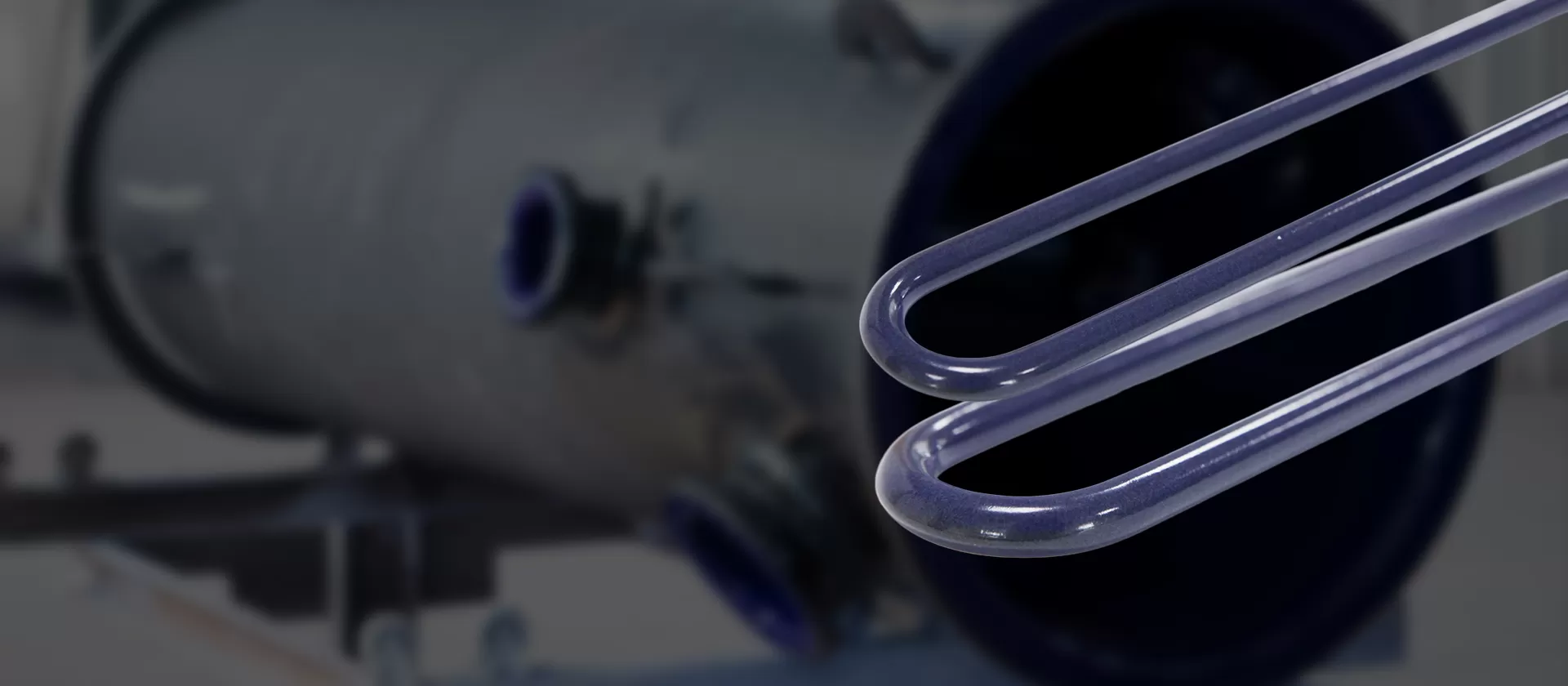
Can your stainless steel enamel be applied to bent or U-shaped heating elements?

Yes, our L03-A697 and L03-A57 enamel powders are suitable for wet dipping and wet spraying, making them ideal for complex shapes like bent, U-shaped, or helical heating elements. The good flowability ensures uniform coverage even on curved surfaces. Please ensure proper drying before firing to avoid thickness variations.


News & Inspirations
GWIPPO
GWIPPO Knowledge Corner | The Firing Process of Ground Coat Enamel
2026. 06 02
GWIPPO Knowledge Corner | The Firing Process of Ground Coat Enamel
During the firing process of the ground coat enamel, complex physical and chemical reactions occur between the steel substrate and the ground coat. In an oxidizing atmosphere, an oxide film forms on t...
GWIPPO Enamel Tips | Causes and Countermeasures for Off-Color Spots in Glass-Lined Enamel Coatings
2026. 05 18
GWIPPO Enamel Tips | Causes and Countermeasures for Off-Color Spots in Glass-Lined Enamel Coatings
AbstractThe performance of a glass-lined enamel coating is closely related to the chemical composition of the enamel glaze, the frit smelting process, the enameling/firing process, the thickness and u...
We use cookies on this site, including third-party cookies, to deliver the best experience for you.
Accept Cookies
Read Privacy Policy