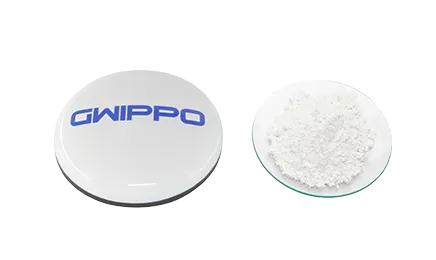
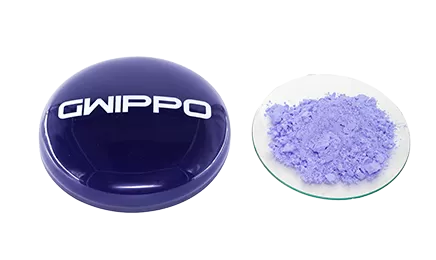
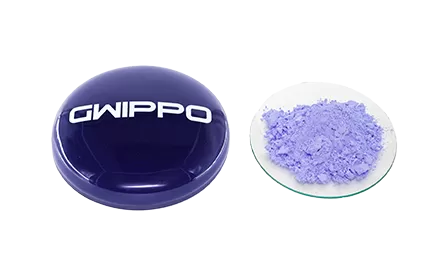
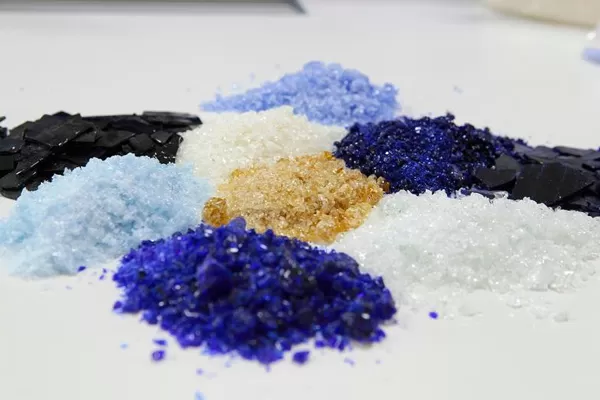
Enamel paint is used for creating a hard, smooth and protective surface on metal or other substrates, but in industrial coating discussions, the term often overlaps with porcelain enamel slurry, vitreous enamel coating and enamel frit systems. For B2B buyers, the key is to distinguish ordinary enamel paint from fired industrial porcelain enamel coatings.
Ordinary enamel paint usually refers to a durable organic coating that dries to a glossy finish. Industrial porcelain enamel, however, is an inorganic glass-like coating fused to metal through high-temperature firing. GWIPPO focuses on the industrial side of enamel technology, providing Vitreous and Porcelain Enamels for corrosion-resistant and high-performance metal protection.
What Does “Enamel Paint” Mean in Industrial Coating?
In industrial applications, the term “enamel paint” is sometimes used loosely to describe protective enamel coating systems. In porcelain enamel manufacturing, however, the coating material is typically prepared as a slip or powder based on enamel frit, then applied to the metal substrate and fired to form a dense glass-like coating.
The U.S. EPA describes porcelain enameling industrial coating as the application of glass-like coatings to metals such as steel, cast iron, aluminum and copper. The purpose is to improve resistance to chemicals, abrasion and water while also improving thermal stability, electrical resistance and appearance.
This is why industrial buyers should not treat porcelain enamel coating as simple paint. It is closer to a fused glass-metal protective system, used where ordinary organic coatings may fail under chemicals, heat, cleaning, moisture or long service conditions.
What Is Enamel Coating Used For in Industrial Applications?
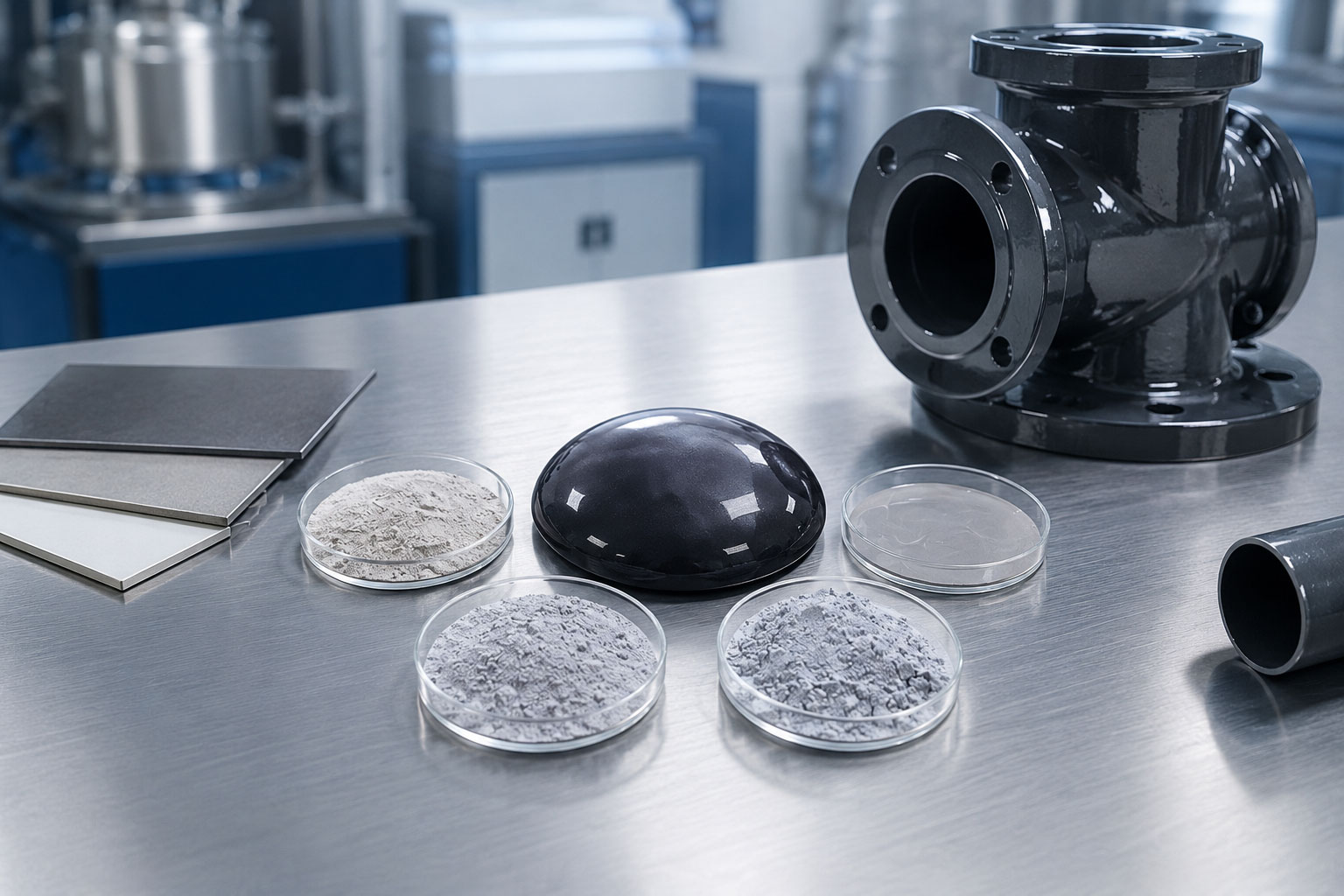
Enamel coating is used for industrial metal protection, equipment lining, corrosion resistance, surface hardening, decorative finishing and cleanable protective surfaces. In fired enamel systems, it is especially valuable for equipment exposed to water, chemicals, heat, abrasion and repeated cleaning.
Common industrial uses include glass-lined reactors, storage tanks, water heater tanks, pipes, valves, fittings, heat exchange components, architectural panels, household appliance panels, sanitary equipment and chemical processing equipment. In these applications, the enamel layer helps isolate the metal substrate from corrosive media and reduces maintenance caused by rust, scaling or chemical attack.
For equipment manufacturers, enamel powder or enamel slurry is not selected only by color. The coating must match the substrate, firing process, service temperature, chemical environment and required lifetime. A coating for a water heater tank is different from a coating for a chemical reactor, and a decorative appliance enamel is different from a high-acid-resistant industrial lining.
Enamel Paint vs Porcelain Enamel vs Powder Coating
Enamel paint, porcelain enamel and powder coating are different surface technologies, and buyers should compare them by chemistry, curing method, durability and application environment. The table below shows the practical differences.
Coating Type | Main Material | Curing / Forming Method | Typical Strength | Common Use |
Enamel Paint | Organic resin-based coating | Air drying or baking | Smooth finish, moderate durability | Metal parts, machinery, doors, panels |
Porcelain / Vitreous Enamel | Inorganic glass-based frit | High-temperature firing | Chemical, heat, abrasion and water resistance | Reactors, tanks, water heaters, appliances |
Powder Coating | Polymer powder | Electrostatic spraying and baking | Good appearance and corrosion protection | Furniture, frames, appliances, hardware |
Galvanizing | Zinc layer | Hot-dip or electrochemical process | Strong anti-rust protection | Steel structures, outdoor metal parts |
The European Enamel Association’s porcelain and vitreous enamel quality requirements define porcelain and vitreous enamel as a mainly vitreous material obtained by melting or fritting inorganic materials and applying them to metal. A review on porcelain enamel coatings also explains that porcelain enamel is an inorganic coating applied to metals or glass for both decorative and functional purposes, with firing temperatures ranging from 450°C to 1200°C depending on the substrate.
For demanding industrial service, porcelain enamel is often selected when buyers need a hard, glass-like, chemically resistant surface rather than only a colored coating.
How Enamel Coating Systems Protect Metal Surfaces
Enamel coating systems protect metal surfaces by combining substrate preparation, ground coat adhesion and cover coat performance into one integrated protective layer. In industrial glass-lined systems, each coating layer has a different function.
The ground coat is the bonding layer. It must adhere tightly to the metal, resist fish-scaling, control bubble structure and match thermal expansion between the substrate and coating. GWIPPO’s Glass-Lined Ground Coat is designed for adhesion strength, fish-scaling resistance, optimized bubble distribution and compatibility with steel substrates.
The cover coat is the functional surface layer. It provides corrosion resistance, smoothness, acid and alkali resistance, high-temperature stability and final surface appearance. GWIPPO’s Glass-Lined Cover Coat is engineered for acid erosion resistance, alkali corrosion resilience, high-temperature stability and reduced enamel spalling risk.
A well-designed enamel system can improve service life by reducing direct contact between the metal and corrosive media. For buyers, this means fewer coating failures, lower maintenance cost and more reliable operation in chemical, water, thermal and industrial environments.
How to Choose Enamel powder or Enamel Frit for Your Project
Choosing enamel powder or enamel frit means matching the coating system to the substrate, production process, chemical exposure, temperature range and final performance target. For industrial buyers, sample testing and process compatibility are essential before mass production.
Key evaluation factors include adhesion, acid resistance, alkali resistance, boiling water resistance, impact resistance, thermal shock resistance, surface smoothness, pinhole control, firing temperature, slurry stability and batch consistency. If the coating will be used in reactors, tanks or water-contact parts, corrosion testing and long-term reliability become more important than appearance alone.
GWIPPO, founded in 1995, is a China enamel frit and porcelain enamel frit supplier with 30 years of R&D experience, 8 national standard drafts and 25+ patents. Its product range covers vitreous and porcelain enamels, water heater enamel, glass-lined ground coat, glass-lined cover coat and industrial enamel solutions for extreme chemical and corrosion environments.
Conclusion
Enamel paint is used to create durable, smooth and protective surfaces, but in industrial metal protection, the more important technology is porcelain or vitreous enamel coating. Unlike ordinary organic enamel paint, industrial porcelain enamel is a fused glass-like coating designed for corrosion resistance, water resistance, abrasion resistance, heat stability and long-term equipment protection.
For buyers, the right choice depends on application conditions. Ordinary enamel paint may be enough for light-duty decorative metal finishing, while porcelain enamel frit and glass-lined enamel systems are better suited for reactors, tanks, water heaters, pipes, fittings and other industrial equipment. GWIPPO supports manufacturers with enamel frit, ground coat and cover coat solutions for reliable industrial coating performance.
FAQ
1. What is enamel paint mainly used for?
Enamel paint is mainly used to create a hard, smooth and protective finish on metal, wood or industrial components. In industrial porcelain enamel systems, it is used for corrosion-resistant metal protection.
2. Is enamel paint the same as porcelain enamel?
No. Ordinary enamel paint is usually an organic coating that dries or bakes onto a surface, while porcelain enamel is an inorganic glass-like coating fused to metal by high-temperature firing.
3. Can enamel coating be used on industrial equipment?
Yes. Porcelain enamel coatings are widely used on reactors, tanks, pipes, fittings, water heaters, heat exchange parts, appliance panels and corrosion-resistant metal components.
4. Why is enamel coating used on metal?
Enamel coating is used on metal to improve resistance to chemicals, water, abrasion, heat, corrosion and cleaning processes while also improving surface smoothness and appearance.
5. What is the role of enamel frit?
Enamel frit is the glassy base material used to form porcelain enamel coatings. Its composition affects melting behavior, adhesion, chemical resistance, thermal expansion and final coating performance.
6. Why choose GWIPPO for industrial enamel coating materials?
GWIPPO provides vitreous and porcelain enamels, glass-lined ground coats, cover coats and industrial enamel frit solutions, supported by R&D experience, standards participation and application knowledge for corrosion-resistant coating systems.

 CN
CN