In the realm of surface finishing, ceramic glaze and enamel glaze as two distinct yet often confused materials. Delving deeper into their properties, the differences between these coatings are essential to discern.
Composition:
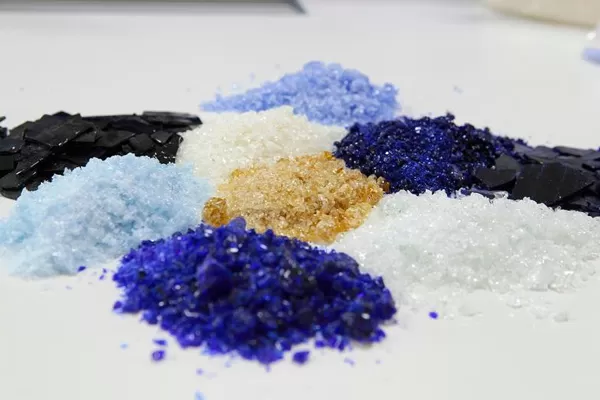
Ceramic glaze primarily consists of glass-forming materials, such as silica, along with various oxides providing color and texture. On the other hand, enamel comprises powdered glass and pigments fused onto a substrate, typically metal, through high-temperature firing.
Application and Firing:
Glaze is applied to ceramics before firing, undergoing a single firing process where it melts and forms a glassy surface. Enamel, in contrast, is applied as a powder or liquid onto metal surfaces and then subjected to high-heat firing, melting and bonding to the substrate.
Properties:
Ceramic glazes tend to be more porous, offering a range of finishes from matte to glossy, and they are commonly used on pottery and tiles. Enamels, renowned for their durability and resistance to corrosion, provide a hard, smooth, and often glossy finish ideal for metalwork, cookware, and appliances.
Usage and Durability:
While both offer aesthetic appeal, their applications differ. Ceramic glazes are prevalent in decorative arts and pottery, adding color and texture to surfaces. Enamel, due to its durability, finds utility in kitchenware, jewelry, and industrial applications, where toughness and resistance to scratching or staining are paramount.
Conclusion:
Understanding the nuances between ceramic glaze and enamel is crucial in various industries, guiding choices for surface finishing. Their distinct compositions, applications, and properties cater to specific needs, influencing both artistic expression and practical functionality in the realm of surface coatings.

 CN
CN