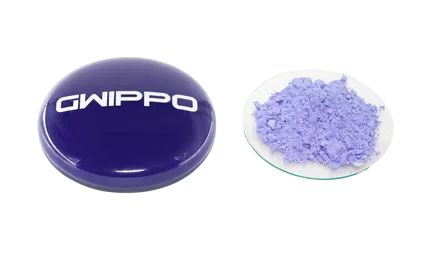
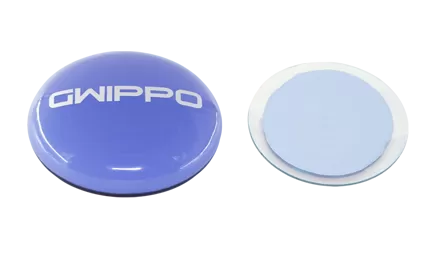
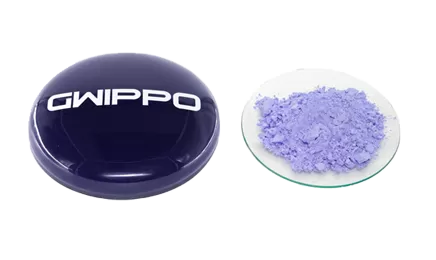
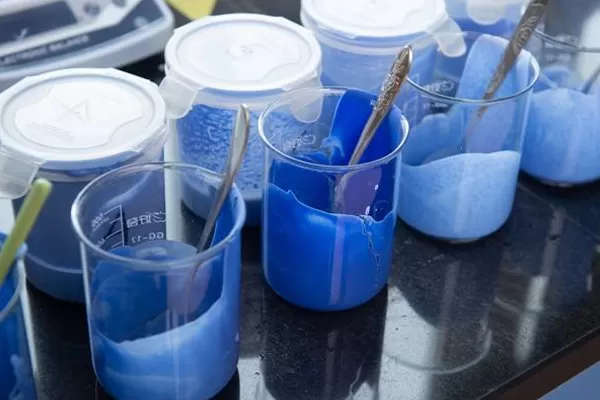
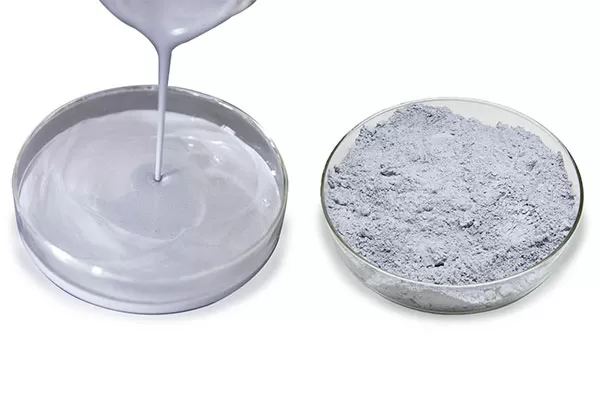
GPD-1# Glass-Lined Ground Coat.
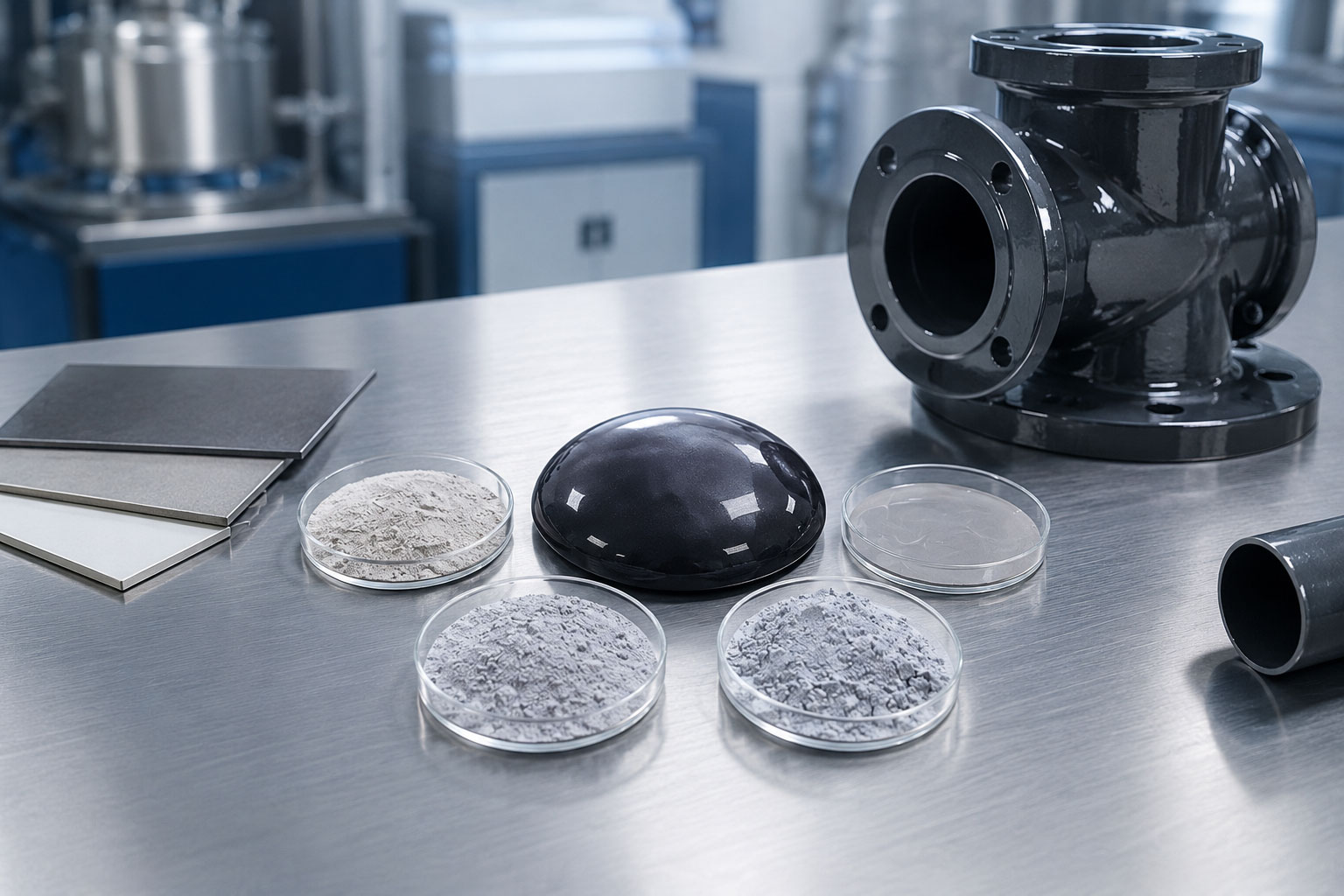
Featuring excellent adhesion, a wide firing range, and good resistance to fish-scaling, GPD-1# is specifically designed for the enameling of a wide range of chemical glass-lined equipment, including glass-lined reactors and components. It helps improve finished-product quality, production stability, and service life.
Excellent Adhesion Performance
As the critical transition layer between the steel substrate and the cover coat, the ground coat plays a key role in determining the overall bonding strength of glass-lined equipment.
The formulation of GPD-1# Ground Coat has been carefully optimized to provide excellent compatibility with both carbon steel substrates and cover coats. It delivers strong adhesion, allowing the enamel coating to bond firmly with the steel substrate and thereby improving coating integrity and overall service reliability.
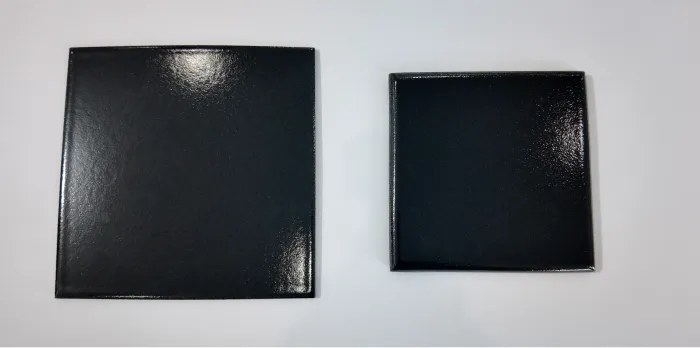
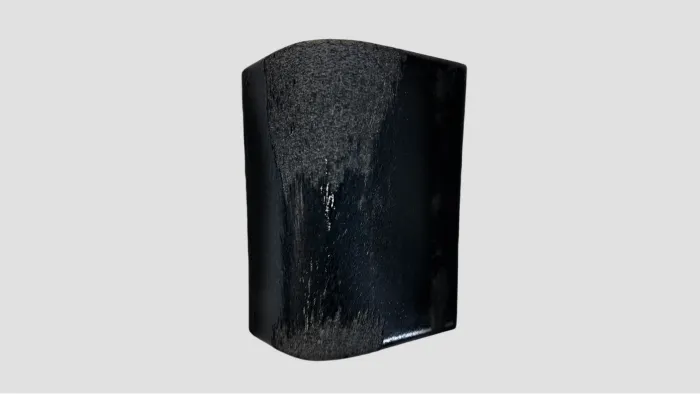
Adhesion Test Results:
Adhesion performance after the 90° bending test
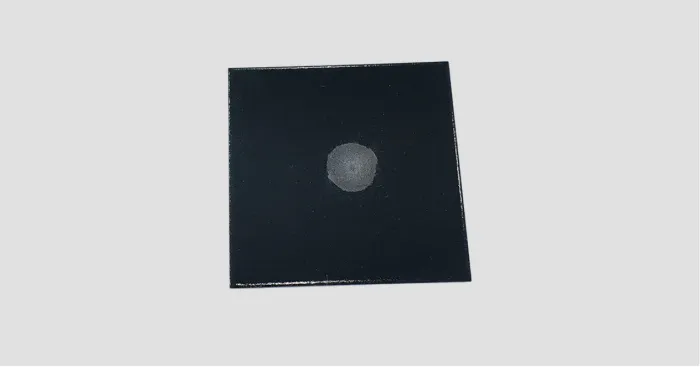
Adhesion performance according to the hammer test
Wide Firing Range
Compared with conventional ground coats, GWIPPO GPD-1# Ground Coat offers a wider firing temperature range, helping address common production issues such as a narrow firing window, stringent temperature-control requirements, underfiring, and overfiring.
With greater tolerance to variations in firing temperature and holding time, GPD-1# can reduce the difficulty of temperature control, minimize rework, and achieve a better balance between product consistency and production efficiency.
This makes it well suited for standardized mass production and stable industrial enameling processes.
Excellent Resistance to Fish-Scaling
Fish-scaling is a hydrogen-induced enamel defect caused by the accumulation of hydrogen at or near the steel–enamel interface.
During hot and humid periods, particularly in the rainy season, moisture can accumulate in the air, steel substrate, and enamel materials. When the workpiece enters the furnace, moisture decomposes at high temperatures, generating hydrogen atoms that penetrate into the steel substrate.
As the workpiece cools, the solubility of hydrogen in the steel decreases. Hydrogen can then accumulate at the interface between the steel substrate and enamel layer, creating high internal pressure. When the pressure exceeds the bonding strength of the enamel coating, the coating can rupture and produce the characteristic fish-scale pattern.
Through formulation optimization, GPD-1# Ground Coat provides improved resistance to hydrogen-induced fish-scaling. It helps mitigate hydrogen-related enamel defects caused by high moisture levels during hot and humid seasons and improves process adaptability during firing.
GWIPPO Enamel has always been committed to process innovation and has continuously invested in the R&D, manufacturing, and optimization of glass enamel materials.
We are dedicated to providing the industry with highly stable, high-quality, and highly adaptable specialized enamel products, helping customers manufacture glass-lined equipment with higher standards, longer service life, and excellent corrosion resistance.
Looking ahead, GWIPPO will continue to optimize and upgrade its formulations and processes, focus on solving common technical challenges in the industry, and support the high-quality development of the chemical equipment industry through reliable products and professional technical services.

 CN
CN