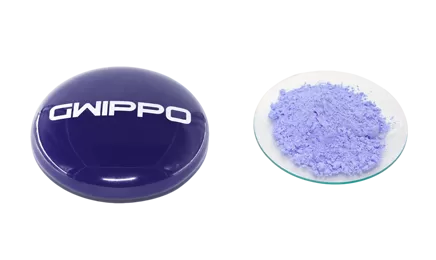
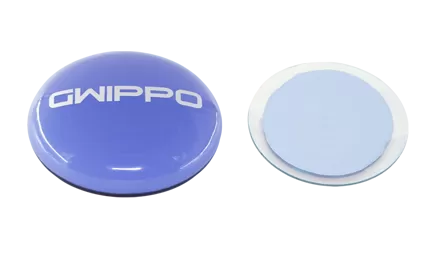
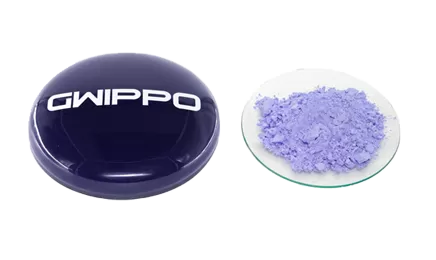
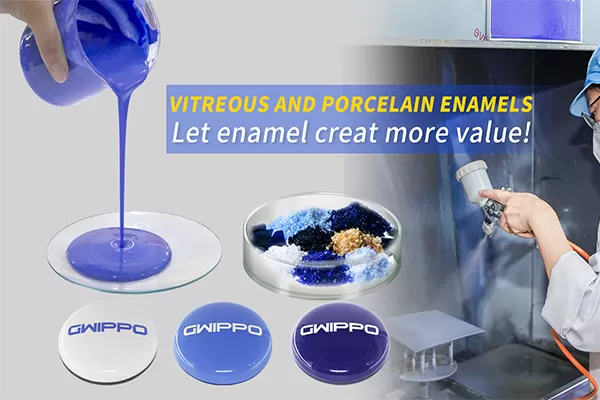
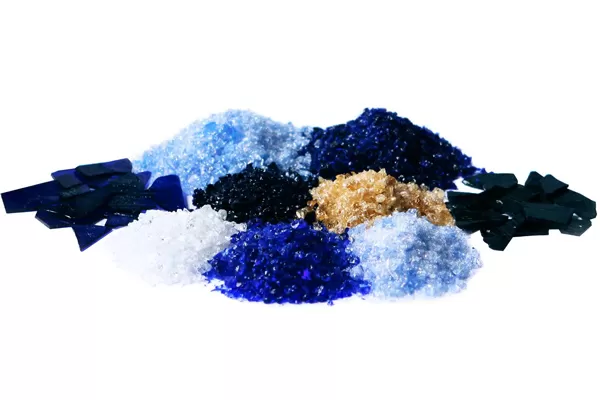
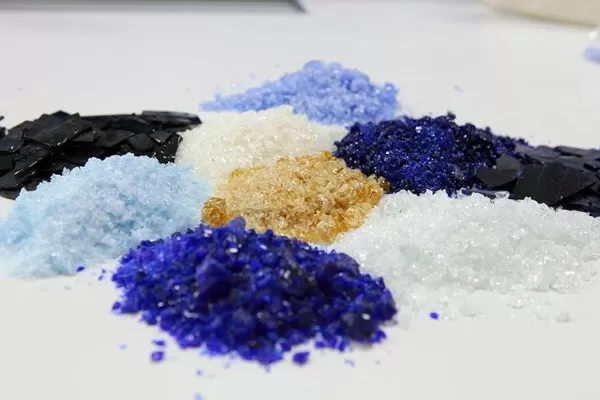
Enamel frit is a fascinating material that lies at the intersection of art, science, and industry. It serves as the foundation for the durable and colorful coatings that protect and decorate a wide range of products, from cookware and appliances to signage and architectural elements. In this article, we will delve into the world of enamel frit, exploring its composition, manufacturing process, applications, and the unique properties that make it an essential material in various industries.
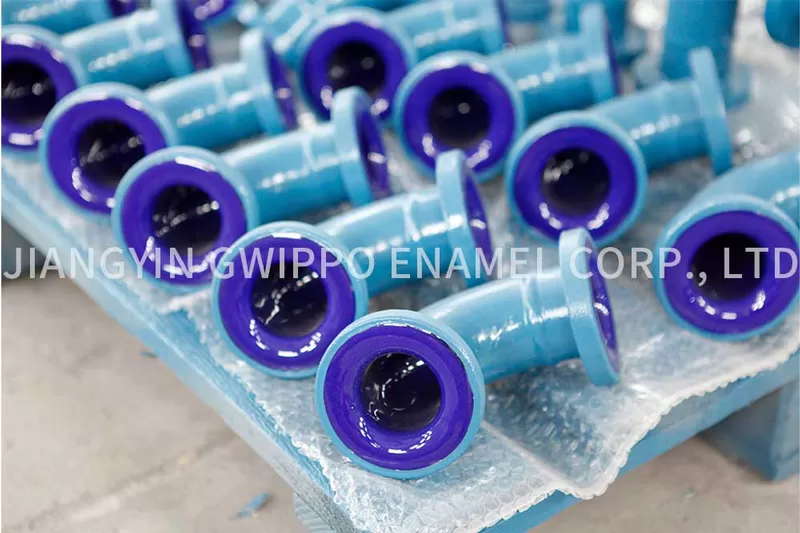
Composition of Enamel Frit
At its core, enamel frit is a type of glass. It is composed of a mixture of silica (sand), fluxes (such as sodium or potassium compounds), and a variety of metal oxides that provide color and specific properties. These raw materials are carefully measured and combined to create a precise blend that can be melted together to form the frit.
The choice of metal oxides is critical, as they not only impart color but also influence the thermal expansion, chemical resistance, and adherence of the enamel to different substrates. Common oxides include cobalt (blue), iron (brown or black), chromium (green), and tin (white). These oxides can be mixed in various proportions to create an almost limitless palette of colors.
Manufacturing Process of Enamel frit
The production of enamel frit begins by melting the raw materials in a furnace at temperatures exceeding 1200°C (2192°F). This molten mixture is then rapidly cooled, usually by pouring it into water or onto a metal surface. The sudden cooling causes the material to solidify into a glassy state, shattering into small, irregular particles known as "frit."
Once cooled, the frit is ground into a fine powder. This powder can be further processed and mixed with additional materials, such as clay and water, to form a slurry that can be easily applied to metal surfaces.
Properties and Applications of Enamel frit
Enamel frit possesses a unique combination of properties that make it highly desirable for coating applications. It is incredibly durable, resistant to scratches, and can withstand high temperatures without losing its color or luster. This makes it an ideal choice for cookware, such as pots and pans, which are subject to both heat and abrasive cleaning.
In addition to its durability, enamel frit is also chemically resistant, meaning it does not react with most household chemicals and is easy to clean. This property is particularly important for appliances like refrigerators and washing machines, where hygiene is paramount.
The material's insulating properties also make it useful in electrical applications. Enamel coatings can protect components from short circuits and corrosion, thereby extending their lifespan.
Furthermore, enamel frit is used in the creation of signage and architectural elements, where its ability to retain color and resist weathering makes it an excellent choice for outdoor applications. It can be found on street signs, building facades, and public art installations.
Environmental and Safety Considerations of Enamel frit
The manufacturing process of enamel frit has evolved to address environmental and safety concerns. Modern practices aim to reduce emissions, recycle water, and minimize waste. Additionally, the shift towards lead-free and cadmium-free frit formulations has been driven by health and environmental regulations, making the end products safer for consumers and the environment.
In short, Enamel frit is a material that encapsulates the beauty of glass and the resilience of enamel. It provides a protective and decorative coating that stands the test of time, whether on a kitchen utensil or a towering building. Its versatility and performance have cemented its role in numerous industries, and ongoing innovations in its composition and application continue to expand its possibilities.
As we have seen, enamel frit is more than just a pretty surface; it is a complex material with a rich history and a promising future. It is a testament to human ingenuity and our relentless pursuit of materials that not only serve a functional purpose but also enhance the aesthetics of our everyday lives. Whether you're cooking your favorite meal or admiring a colorful piece of public art, enamel frit is likely playing an unseen yet integral role in your experience.
As one of the leading enamel frit manufacturers in China, GWIPPO is dedicated to advanced glass-lined enamel materials and anti-corrosion solutions. Contact us to get your custom frit now!

 CN
CN