Choosing the right enamel frit for glass-lined chemical equipment requires more than comparing chemical-resistance ratings. The frit must match the steel substrate, firing process, coating structure, and actual chemical and thermal conditions. For commercial equipment, selection should begin with the operating environment and then be matched to manufacturing requirements.
What Is Enamel Frit for Glass Lined Chemical Equipment
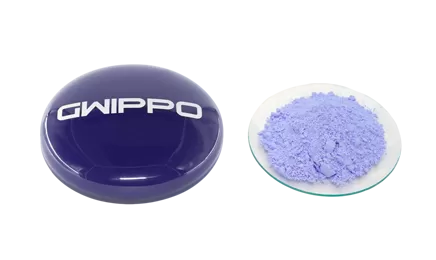
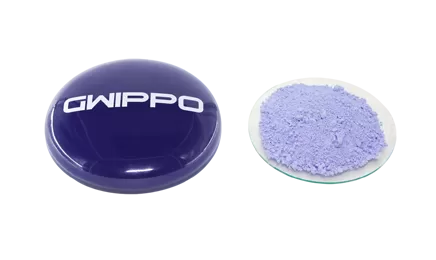
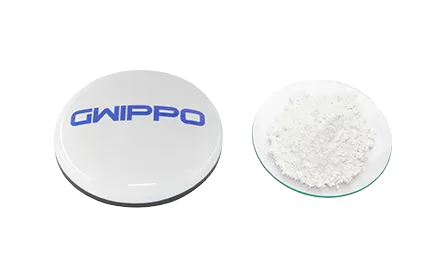
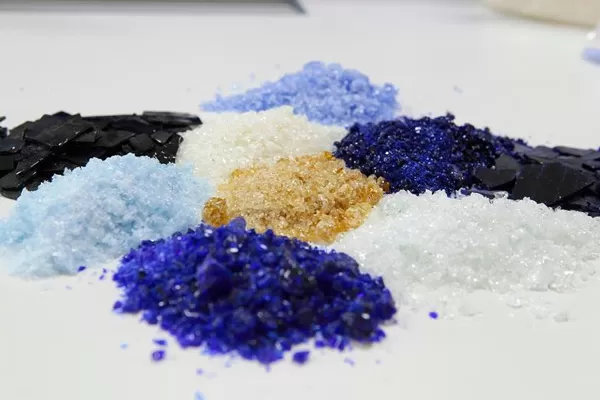
Enamel frit is produced by melting a formulated batch of raw materials and rapidly cooling the melt to form glassy granules. The frit is then milled and prepared for application to metal. Firing fuses the applied material into a vitreous coating. In conventional glass-lined chemical equipment, a ground coat promotes bonding to the substrate, while one or more cover coats provide the exposed chemical-resistant lining.
First identify whether the project requires a ground coat, a cover coat or a complete enamel system. Ground-coat selection focuses on adhesion and compatibility with the substrate and subsequent layers. Cover-coat selection focuses on chemical durability and thermal performance under the intended service conditions.

How Should Chemical Resistance and Thermal Shock Be Evaluated
Chemical resistance and thermal-shock resistance are primary performance criteria for enamel used in glass-lined chemical equipment. The process medium should be assessed by chemical type, concentration, temperature, exposure time, and whether contact occurs through liquid, vapor, or both.
The ISO 28706-2:2017 test method evaluates enamel resistance to boiling acids, neutral liquids, alkaline liquids and their vapors. For thermal cycling, ISO 13807:2022 provides a method for determining the crack formation temperature of enamels used by the chemical industry. These test results help compare formulations but should not automatically be treated as operating limits for finished equipment.
Factor | Ground coat | Cover coat |
Main function | Steel-to-enamel bonding | Chemical protection |
Key property | Adhesion + thermal compatibility | Chemical + thermal resistance |
Selection focus | Steel + firing process | Process medium + conditions |
How Do Firing Temperature and Steel Compatibility Affect Selection
Firing compatibility means matching the frit's working temperature and thermal behavior with the substrate and production process. A chemically resistant formulation can still produce defects if its firing range or expansion behavior is unsuitable.
Specify a firing window for the selected grade rather than a generic temperature for all enamel frits. The supplier should identify the recommended firing temperature, holding time and permissible number of firing cycles. Confirm whether a quoted temperature refers to the furnace setting or the actual workpiece temperature, and validate the cycle on representative components.
The formulation must be suitable for the specified substrate. Carbon steel, cast iron and stainless steel have different pretreatment and thermal requirements; a grade validated for one should not be assumed suitable for another. Confirm the steel grade, thickness, surface preparation, furnace profile, application method and complete coating structure before selecting a frit.
How Can GWIPPO Help Select the Right Enamel Frit
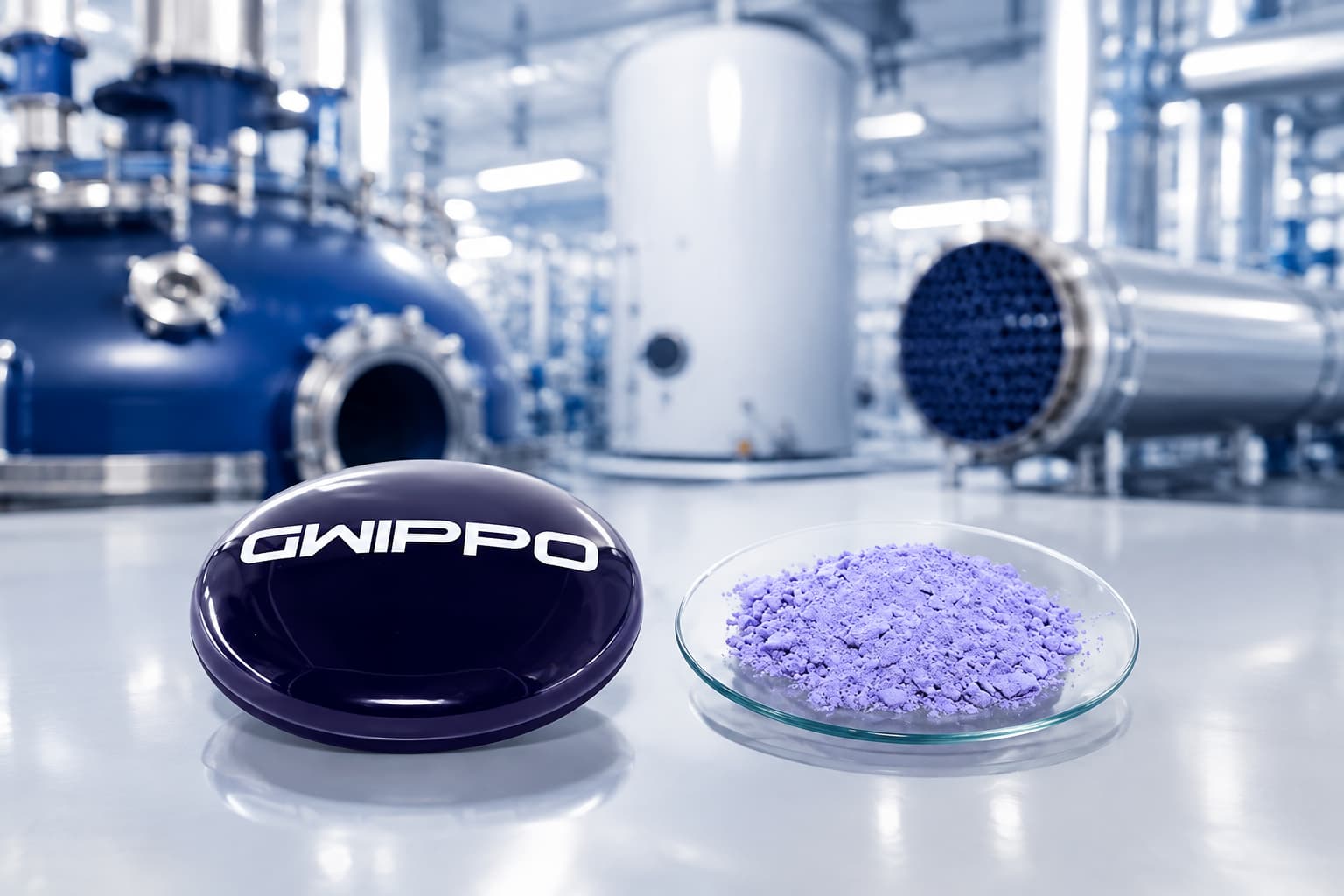
Frit selection is most reliable when chemical service conditions are evaluated together with the equipment and enameling process. GWIPPO supplies vitreous and porcelain enamel frits for glass-lined chemical equipment, including acid- and alkali-resistant cover coats, agitator frits and ground-coat formulations.
For a glass-lined reactor, vessel or agitator, provide the process chemicals and mixtures, concentrations, operating and cleaning temperatures, pressure or vacuum, and expected temperature changes. Manufacturing information should include the substrate, component geometry, application method, coating thickness and firing cycles. Select the ground and cover coats as a compatible system.
Conclusion
Select enamel frit by matching the complete coating system to both service and manufacturing conditions. Review chemical exposure, thermal shock, substrate compatibility and firing behavior together. Compare test results obtained under equivalent conditions, then validate the selected system on representative components before production approval.
FAQ About Enamel Frit Selection
What is enamel frit used for in chemical equipment
It is fused onto metal to form the glass-like protective lining used in glass-lined reactors, vessels and related equipment.
What is the difference between ground coat and cover coat frit
Ground coat primarily provides adhesion and thermal compatibility, while cover coat provides the main chemical-resistant surface.
How do I choose frit for acidic chemicals
Check the chemical type, concentration, temperature and exposure conditions, then compare them with applicable chemical-resistance test data.
Why is firing temperature important
The frit must fuse correctly within the available furnace profile while remaining compatible with the substrate and other enamel layers.
Can one enamel frit work for every chemical application
No. Formulations differ in chemical resistance, thermal behavior, adhesion and firing characteristics, so selection should be application-specific.
What information should I provide for a frit quotation
Provide the substrate, chemical medium, concentration, operating temperature, application method, furnace conditions and required performance standards.

 CN